Teacher Surpassed by Student in Robotics Programming Class: Lessons from WRO and RoboCup Junior
The article argues that successful robotics education occurs when students surpass teachers through independent exploration, treating each robot as a unique expert domain. It emphasizes avoiding role restrictions, encouraging external hardware connections like camera attachments for LEGO Spike Prime, and fostering peer-to-peer knowledge exchange among tournament teams. Ultimately, the teacher's role shifts to observing student-derived solutions and engaging in equal dialogue based on evidence rather than authority.
When do you think is the happiest moment for a robotics teacher?
It is the day they see their student's robot doing something they didn't know it could do.
The day a teacher is surpassed by a child in knowledge or skill is proof that their guidance up to that point has been successful. In this article, I will write about the reasons why.
Strong students will surpass their teachers
The most important thing in learning robot programming is for the child to think and explore on their own.
The teacher helps with that exploration.
Exploration means deepening one's own learning.
When that happens, before you know it, they have surpassed the teacher.
This is natural, because the person who knows the most about that specific robot is the child themselves.
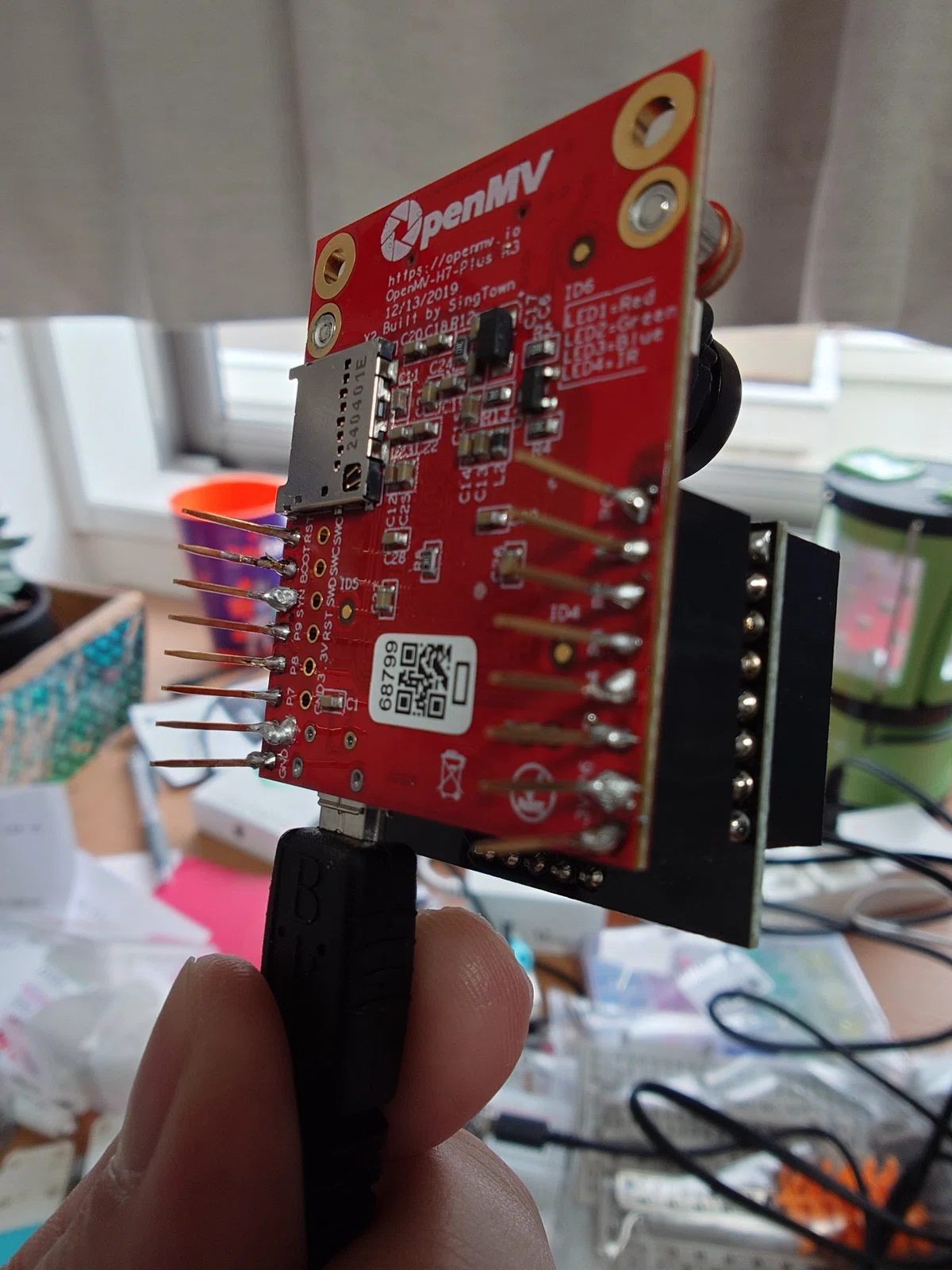
Three conditions for an environment where children grow to surpass their teachers
Whether the teacher remains the most knowledgeable or gets surpassed by the child depends on the teacher's attitude.
1. The child is the expert on their own robot
Since every robot has a different shape, the programming for each one is different. The answers lie within each robot itself.
Therefore, the student themselves must be the expert on their own robot.
The teacher should simply not get in the way of that research. Encourage them to grow. If you do that, they will surpass the teacher.
2. Do not put a lid on roles, tools, or connections to the outside world
Do not hoard difficult roles, actual hardware, or encounters with outside experts for yourself.
Even things like connecting to electronic circuit boards to expand beyond the official LEGO package are now being done by first-year junior high school students.
When you do this, their activities will increase beyond just their interactions with the teacher.
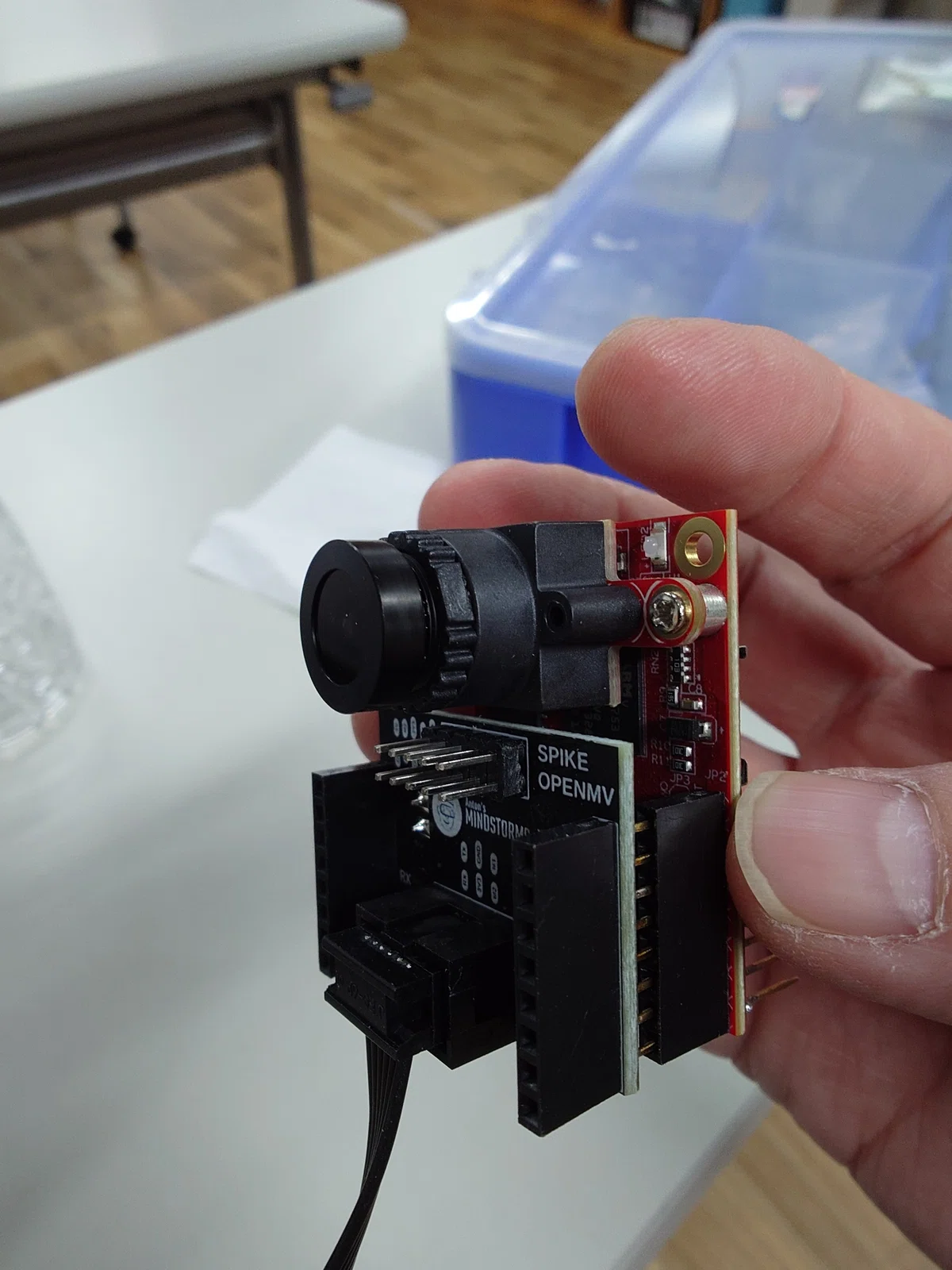
3. Create a place where children are not alone
Robotics competitions are events with limited information. If you proceed alone, you may lose track of whether your method is correct and give up on the challenge without seeing a way out.
Therefore, even if I don't give them the answer, I provide a partner to consult with and a place to exchange information.
There is a big difference between 'the correct answer told by the teacher' and 'the correct answer derived by oneself.' What is truly valuable to that child is the self-derived correct answer.
Information exchange for world tournament teams
There was a day when teams competing in the world tournament gathered at my classroom's robotics club, 'Robo-bu'.
A team that had experienced the WRO World Tournament shared information with a team taking on the WRO World Tournament in the high school division for the first time. The students in the robotics club also gathered, and everyone observed the amazing robots.
It wasn't that the teacher taught everything. It was a place where the connection was made directly from the child who had experienced it to the child who was about to take on the challenge next. For the students who were watching, the world tournament must have felt a little more accessible.
Creating such opportunities, where technology is passed from an amazing team to an amazing team without the teacher in between, is very important.
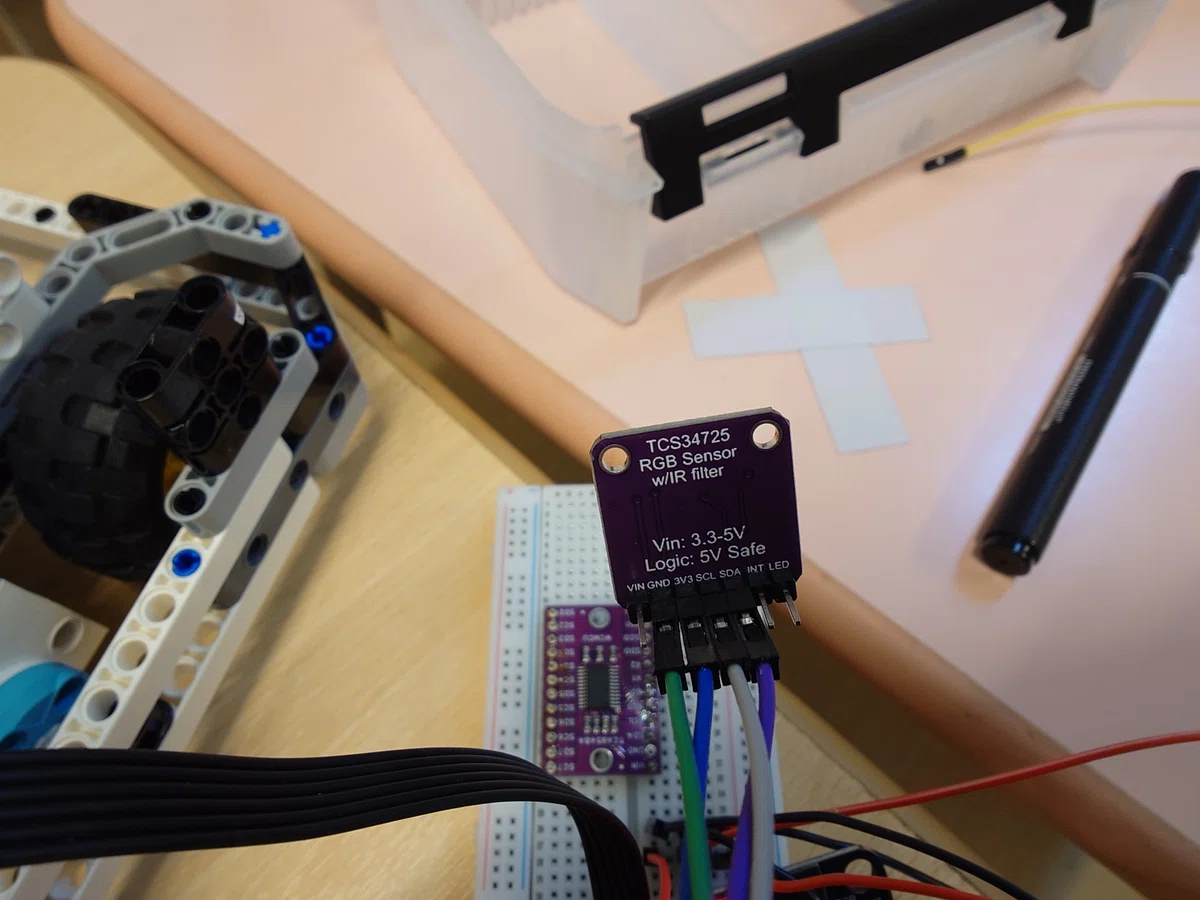
The day a teacher was surpassed by a student, what is happening on the ground
As students explore their own robots, the student becomes more knowledgeable than the teacher about their actual machine, code, and history of trial and error.
This is actually natural and very important.
There are times when they properly verify things and make good decisions without the teacher knowing.
What the teacher does at that time is not to correct them.
It is to watch over both good and bad situations.
I have them tell me the methods they tried, what didn't work, and the values they measured. If it makes sense, I respect it even if it differs from the teacher's expectations.
If there is another idea, I talk based on evidence and verification methods, not based on my position. The teacher also becomes the one being taught by the student.
A relationship where the teacher does not stop learning and can talk to the child as an equal is what leads to students surpassing the teacher and strong teams being born.